In a region where ancient stories echo through souks and skyscrapers rise beside minarets, opera might seem like a foreign whisper. But across the Arab world, opera houses are not just being built, they are becoming powerful symbols of cultural renaissance, refinement, and the timeless beauty of the performing arts.
Let’s step into this unexpected, yet mesmerizing journey where East meets West, and violins meet oud strings, across Arab capitals that are rewriting their cultural narratives with every performance.
Cairo Opera House: Where It All Began
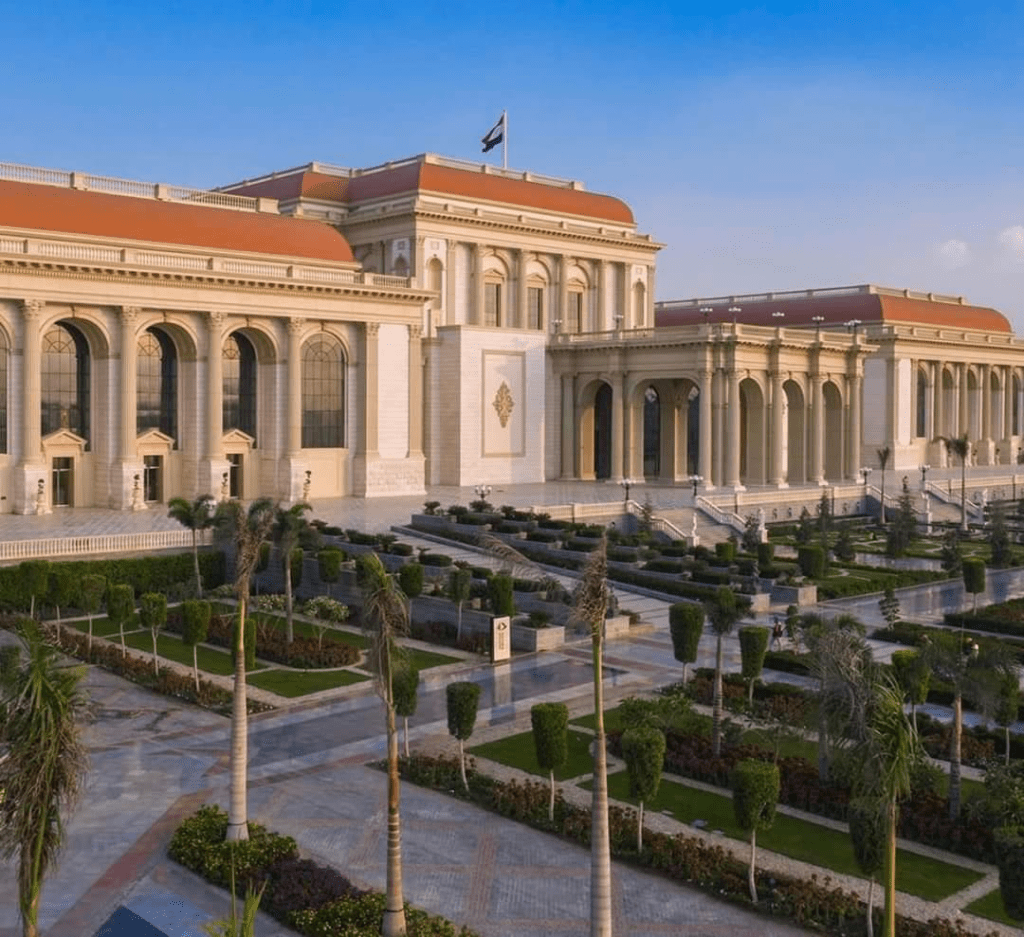
It all started in Cairo. The original Cairo Opera House was inaugurated in 1869 to mark the opening of the Suez Canal, with Giuseppe Verdi’s Aida, an opera inspired by ancient Egypt. Though tragically destroyed by fire in 1971, it was reborn in 1988 with Japanese support, now sitting gracefully on Gezira Island in the Nile.
Today, Cairo Opera House is not just a theater; it is the heart of Egypt’s cultural scene, home to the Cairo Symphony Orchestra, Arab music ensembles, ballet troupes, and festivals that blend East and West in breathtaking harmony.
Dubai Opera: The Future Takes the Stage
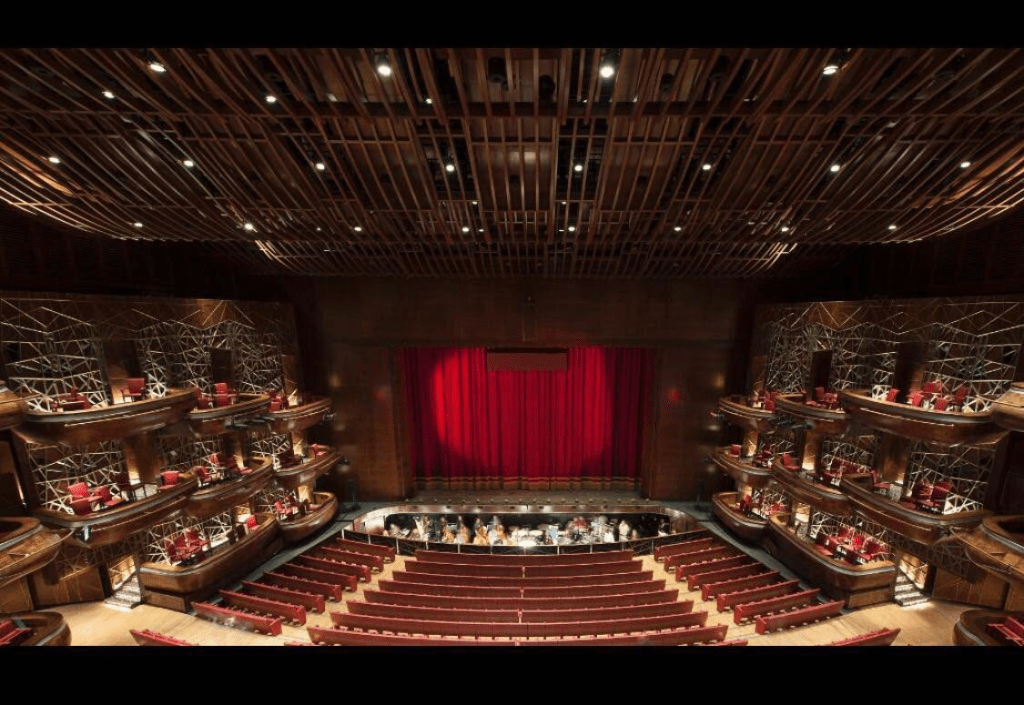
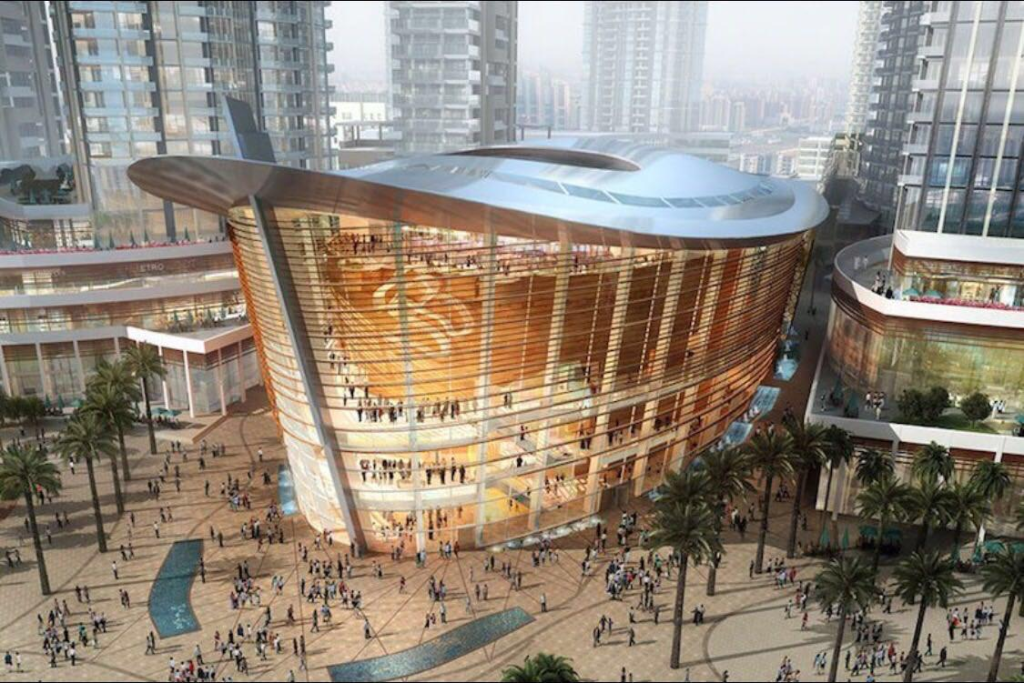
Rising like a sailboat in the shadow of the Burj Khalifa, Dubai Opera is a jewel of modern architecture and ambition. Opened in 2016, its dhow-inspired design pays homage to Emirati heritage while offering state-of-the-art facilities for world-class performances.
From Andrea Bocelli and the Mariinsky Ballet to Arab legends like Majida El Roumi and Hiba Tawaji, Dubai Opera’s stage welcomes the best of both worlds. Its eclectic programming from classical opera to jazz, musicals, and Arabic concerts has made it a cultural magnet in the Gulf.
Lebanon: Opera Among the Ruins
While Lebanon does not have a formal national opera house, it doesn’t need one to prove its cultural soul. The Baalbeck International Festival, set among the Roman temples of the Bekaa Valley, has hosted legendary performances since the 1950s, including the unforgettable voice of Fairuz echoing between ancient stones.
In Beirut, theaters like Casino du Liban and UNESCO Palace continue to present operatic and classical concerts, often blending Arabic poetry and Western symphonies a testament to Lebanon’s unique east-west identity.

Saudi Arabia: A New Voice Emerges
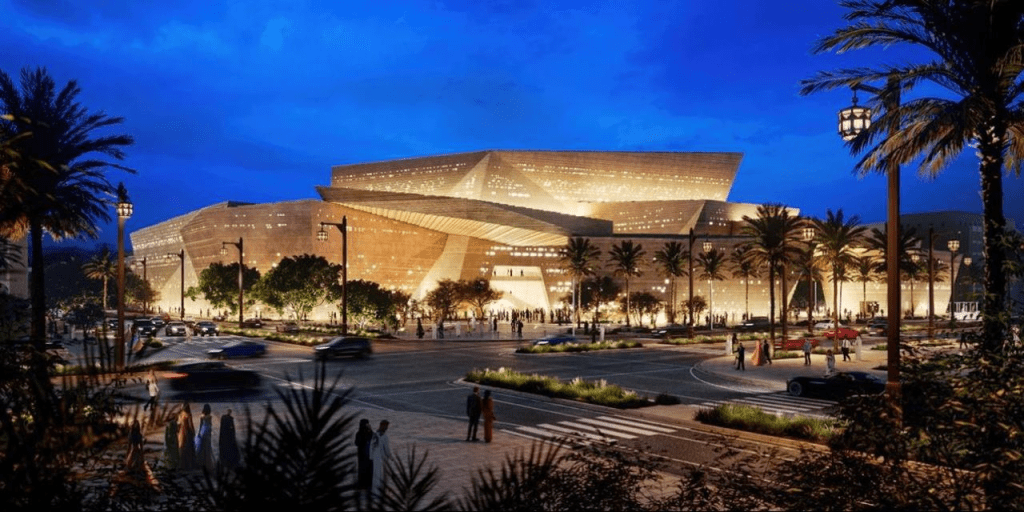
In recent years, Saudi Arabia has taken bold cultural steps as part of its Vision 2030. The announcement of a national opera house in Jeddah turned heads worldwide a signal of deep investment in the arts and creative industries.
While the official opera house is still under development, opera has already entered Saudi stages through Riyadh Season and Jeddah Season, with performances of international classics and adaptations translated into Arabic, offering Saudi audiences a thrilling new cultural experience.
Royal Opera House Muscat: Where Elegance Meets Omani Identity
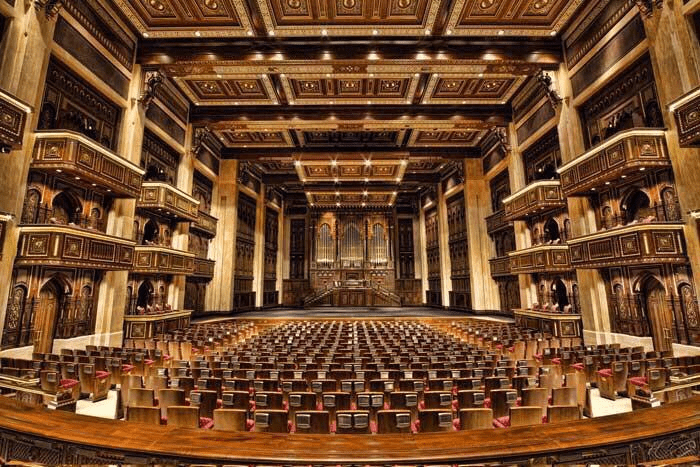
In the serene capital of Oman, the Royal Opera House Muscat stands as a stunning testament to how tradition and modernity can blend in perfect harmony. Inaugurated in 2011 under the vision of Sultan Qaboos bin Said, a passionate patron of classical music, this opera house is the first of its kind in the Gulf region.
With its majestic white stone façade, carved wooden ceilings, and luxurious interiors, the venue reflects authentic Omani architectural artistry. But beyond its beauty lies a rich program of international performances, from Italian opera and Russian ballet to traditional Arab music and cross-cultural collaborations.
The Royal Opera House Muscat has not only elevated Oman’s position on the global cultural map but has also fostered a local appreciation for the performing arts, offering educational programs, family concerts, and outreach initiatives. In Muscat, opera isn’t just for elites, it’s a cultural experience woven into the national fabric.
Morocco & Tunisia: Harmony Between Heritage and Modernity
In Morocco, opera lives through grand theaters in Rabat and Casablanca, often in collaboration with Italian and French cultural institutes. Tunisia’s “City of Culture” in the capital hosts its own opera theater, where contemporary productions seamlessly merge classical Western works with Arab experimental music and storytelling.
An Arab Stage, A Global Sound
Across the region, opera houses, or their equivalents do more than host performances. They represent openness, artistic exploration, and the determination to be part of a global conversation while honoring local identity.
From Aida’s ancient echoes in Cairo, to Carmen’s fiery passion in Dubai, to the haunting beauty of Fairuz under Baalbek’s stars, the Arab world is embracing opera not as imitation, but as innovation.
It is not about importing art. It is about reimagining it and making sure the next generation hears the music rise under Arab skies.




 1000 Fame
Leave a comment